Biomass Pellet Subsidy 2026
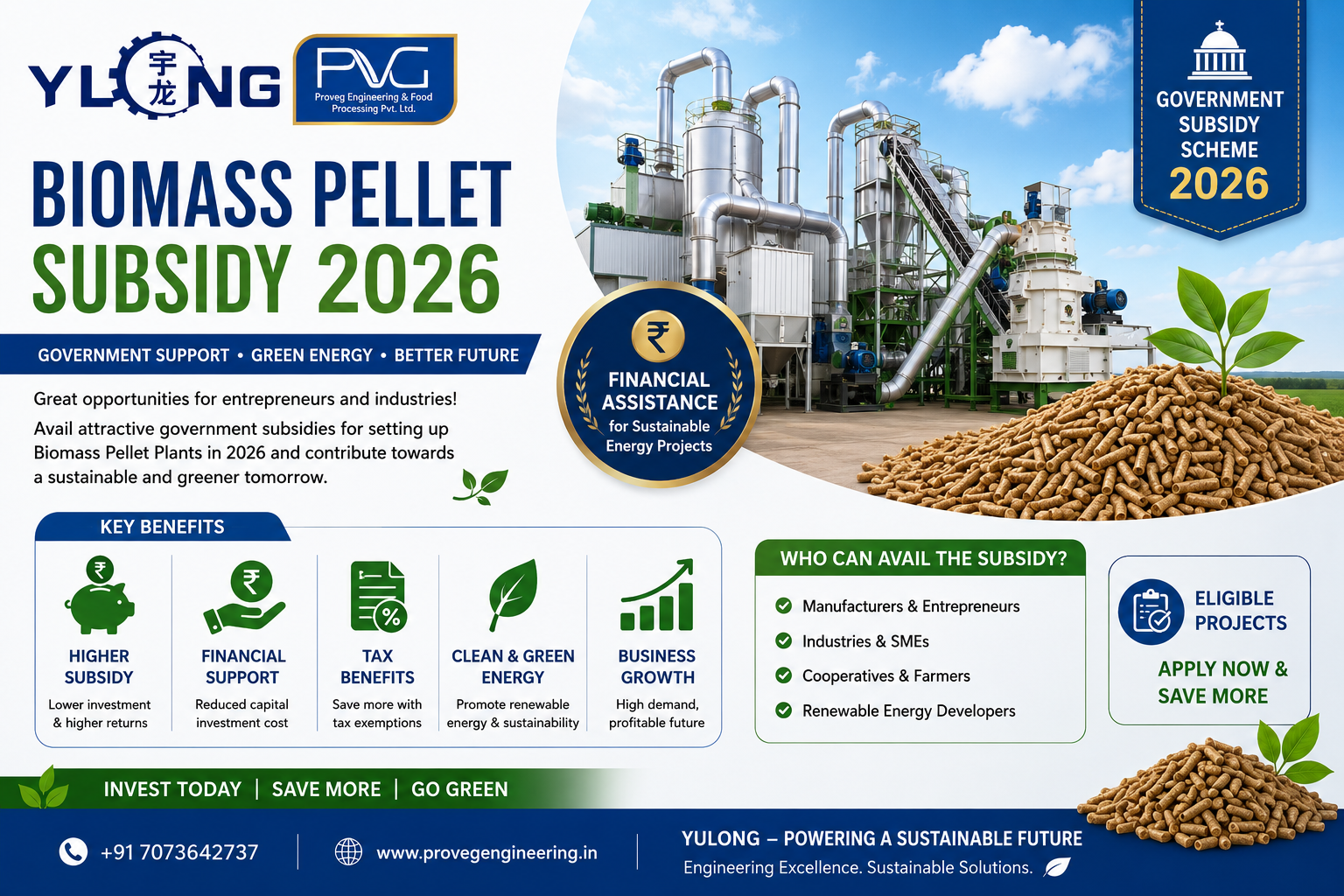
As the global push for renewable energy sources continues to grow, biomass pellets have emerged as a popular choice for industrial applications. In 2026, the subsidy for biomass pellets is set to increase, making them an even more attractive option for businesses looking to reduce their carbon footprint and lower their energy costs.
Introduction
Biomass pellets are a type of fuel made from organic materials such as wood, agricultural residues, and waste products. These pellets are compressed and dried to create a dense and uniform fuel source that can be burned for heat and power generation. The use of biomass pellets as a renewable energy source has been steadily increasing in recent years, driven by concerns about climate change and the need to reduce dependence on fossil fuels.
Benefits
One of the main benefits of biomass pellets is their renewable nature. Unlike fossil fuels, which are finite and contribute to greenhouse gas emissions, biomass pellets are made from organic materials that can be replenished through sustainable practices. Additionally, biomass pellets are often cheaper than traditional fuels, making them an attractive option for businesses looking to reduce their energy costs.
Working Process
The process of making biomass pellets involves grinding, drying, and compressing organic materials into small pellets. These pellets can then be burned in a biomass boiler or furnace to produce heat or electricity. The combustion of biomass pellets is a carbon-neutral process, as the carbon dioxide released during burning is offset by the carbon dioxide absorbed by the plants during their growth.
Industrial Applications
Biomass pellets have a wide range of industrial applications, including power generation, heating, and cooling. Proveg Engineering is a leading provider of biomass pellet systems, offering customized solutions for businesses looking to incorporate this renewable energy source into their operations. By investing in biomass pellet technology, businesses can not only reduce their carbon footprint but also benefit from lower energy costs and government subsidies.
FAQ Section
- Q: Are biomass pellets environmentally friendly?
- Q: What are the main advantages of using biomass pellets?
- Q: How can businesses benefit from the subsidy for biomass pellets in 2026?
A: Yes, biomass pellets are considered to be a carbon-neutral fuel source, as the carbon dioxide released during combustion is offset by the carbon dioxide absorbed by the plants used to make the pellets.
A: Biomass pellets are renewable, cost-effective, and can help businesses reduce their carbon footprint and energy costs.
A: The increased subsidy for biomass pellets in 2026 will make them an even more cost-effective option for businesses looking to transition to renewable energy sources.
Conclusion
With the subsidy for biomass pellets set to increase in 2026, now is the perfect time for businesses to invest in this renewable energy source. By working with Proveg Engineering to implement biomass pellet systems, businesses can not only reduce their carbon footprint but also benefit from lower energy costs and government incentives. The future of energy is green, and biomass pellets are leading the way.
Complete Biomass Pellet Plant Solutions
Looking for high-quality Biomass Pellet Machines and complete pellet plant setup solutions in India?
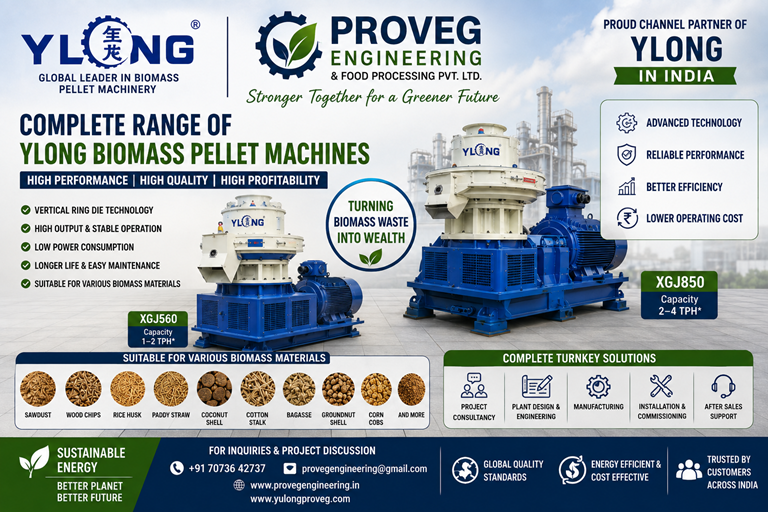
Proveg Engineering is one of the leading manufacturers and suppliers of biomass pellet plants, torrefied pellet machines, dryers, fish feed machines, hammer mills, raw husk pellet plants, Parali Pellet Plant, and complete turnkey pellet production systems.
Explore Biomass Pellet Plant Solutions by Proveg Engineering